Fleet Maintenance Strategies
Efficient fleet maintenance plays a crucial role in optimizing fuel efficiency and reducing operational costs. By implementing innovative techniques and adhering to regular maintenance schedules, fleet managers can ensure their vehicles are operating at peak performance levels.
Predictive Maintenance for Fuel Efficiency
Predictive maintenance involves using advanced technologies such as IoT sensors and data analytics to predict when maintenance is needed before a breakdown occurs. This proactive approach not only increases vehicle uptime but also helps in preventing fuel-wasting issues that may arise due to mechanical failures.
Impact of Regular Maintenance Schedules
Regular maintenance schedules are essential for keeping fleet vehicles in top condition. By conducting routine inspections, oil changes, tire rotations, and other preventive measures, fleet managers can address small issues before they escalate into larger, more costly problems. This not only improves fuel efficiency but also extends the lifespan of the vehicles, ultimately saving money in the long run.
Technology Integration
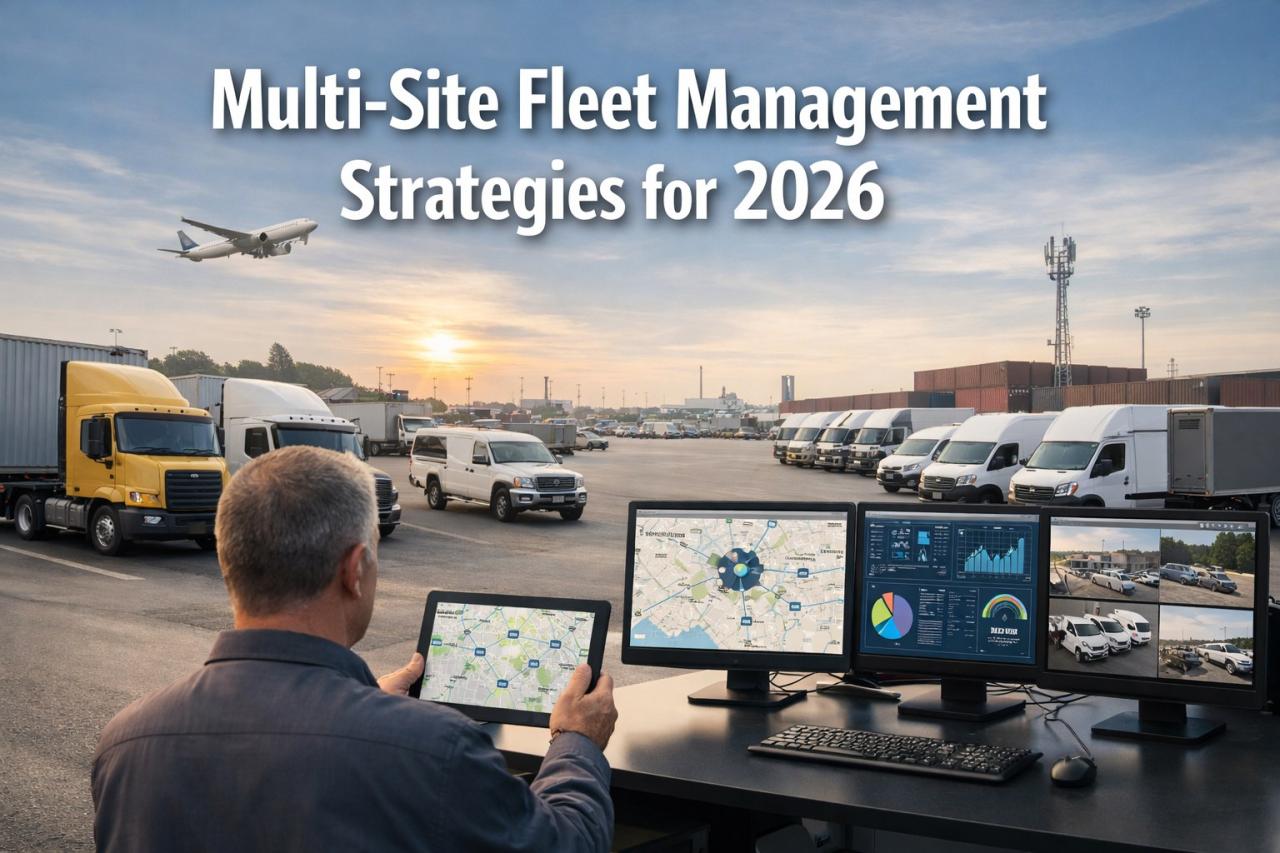
Integrating the latest technologies into fleet management can significantly improve fuel efficiency and overall operations. From IoT sensors to GPS tracking systems, the possibilities are endless.
IoT Sensors for Real-time Fuel Monitoring
IoT sensors play a crucial role in providing real-time data on fuel consumption, engine performance, and maintenance needs. By monitoring fuel levels and usage patterns, fleet managers can identify inefficiencies and take proactive measures to optimize fuel efficiency. These sensors can also alert managers to potential issues before they escalate, saving both time and money in the long run.
GPS Tracking Systems for Route Optimization
GPS tracking systems offer a powerful tool for optimizing routes and reducing fuel consumption. By analyzing traffic patterns, road conditions, and other factors, fleet managers can identify the most efficient routes for their vehicles. This not only saves fuel but also reduces wear and tear on vehicles, leading to lower maintenance costs in the long term.
Benefits of Integrating Telematics Systems
Integrating telematics systems into fleet management can provide a wealth of benefits, including improved driver safety, better vehicle maintenance, and enhanced fuel efficiency. These systems allow managers to track vehicle performance in real-time, identify areas for improvement, and implement strategies to optimize fuel usage.
By leveraging the data provided by telematics systems, fleet managers can make informed decisions that lead to cost savings and improved overall efficiency.
Driver Training Programs
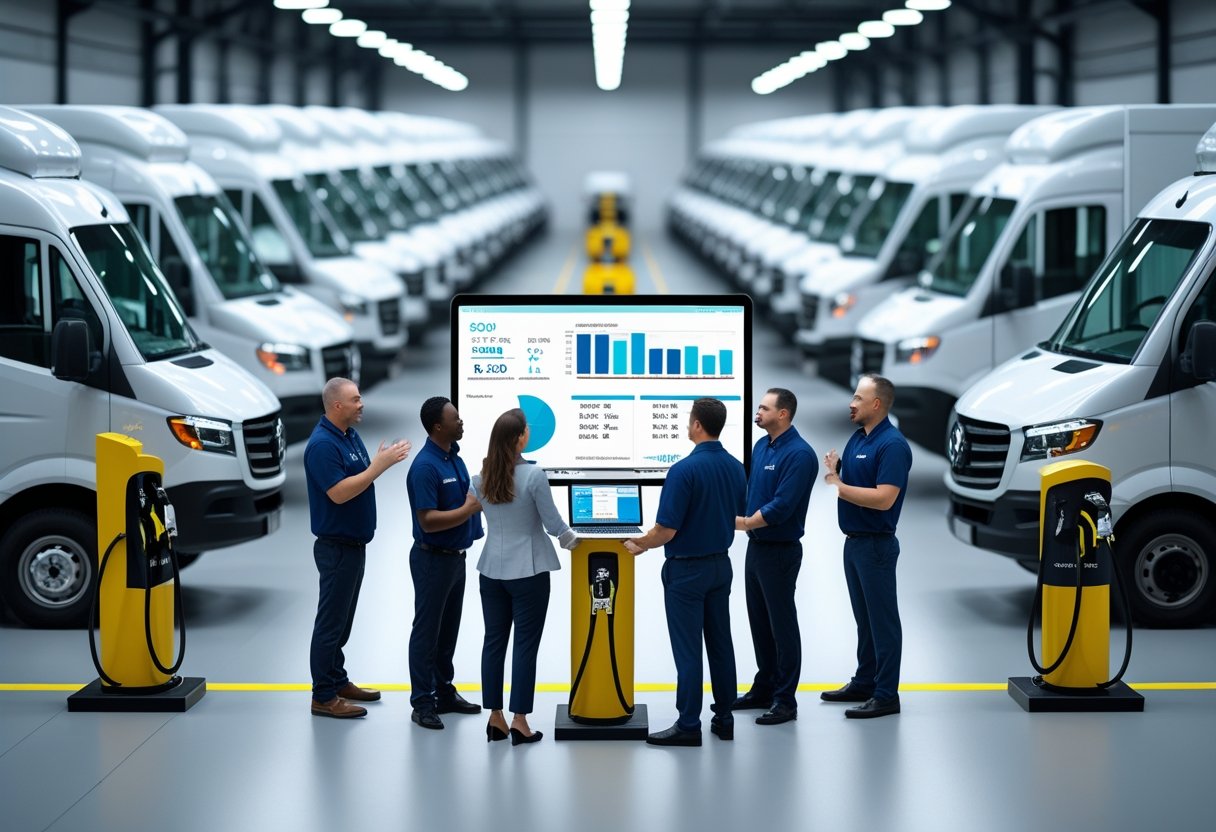
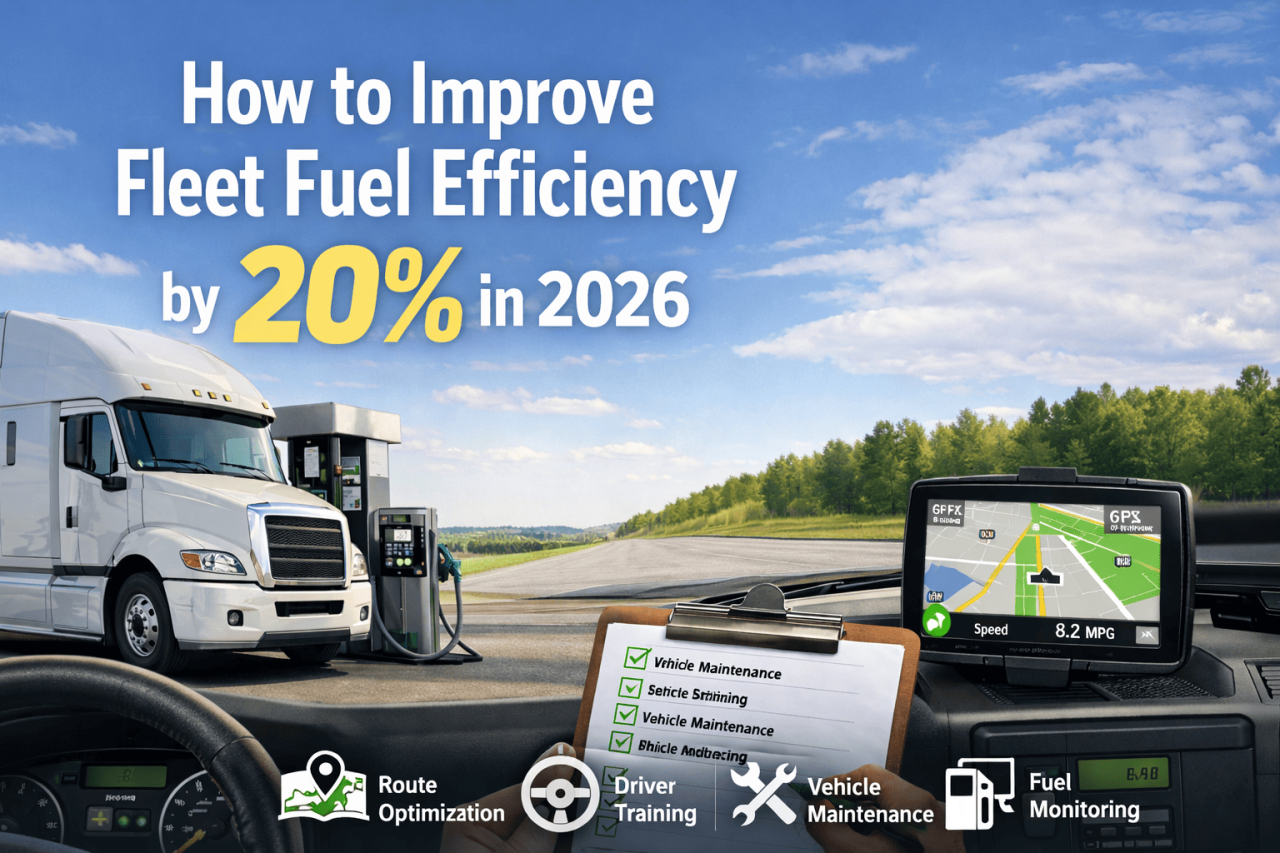
Implementing driver training programs is crucial for optimizing fuel efficiency in fleet management. By educating drivers on fuel-efficient driving practices, fleet managers can significantly reduce fuel consumption and operational costs.
Designing Driver Training Modules
- Include modules on the benefits of fuel-efficient driving, such as reducing carbon emissions and saving on fuel costs.
- Integrate practical tips on maintaining steady speeds, avoiding rapid acceleration and braking, and reducing idle time.
- Provide hands-on training sessions to help drivers understand the impact of their behavior on fuel consumption.
Importance of Driver Behavior in Fuel Consumption
- Driver behavior plays a significant role in fuel consumption, with aggressive driving habits leading to higher fuel usage.
- Emphasize the importance of smooth acceleration, maintaining a steady speed, and anticipating traffic flow to minimize fuel wastage.
- Highlight the correlation between eco-driving habits and reduced wear and tear on vehicles, leading to lower maintenance costs.
Promoting Eco-Driving Habits
- Encourage drivers to plan routes efficiently to avoid unnecessary mileage and fuel consumption.
- Provide incentives for drivers who consistently demonstrate fuel-efficient driving behaviors.
- Utilize telematics and tracking systems to monitor driver performance and provide feedback for improvement.
Fuel Management Solutions
Fuel management is a crucial aspect of optimizing the efficiency of a fleet of trucks. By implementing the right solutions, companies can effectively reduce costs and improve overall performance. Let's explore some key strategies for managing fuel efficiently.
Evaluate fuel card programs for cost-effective fuel purchasing
Fuel card programs offer a convenient and cost-effective way to purchase fuel for a fleet of trucks. These cards often come with discounts and rewards, allowing companies to save money on fuel expenses. By evaluating different fuel card options and selecting the most suitable one, companies can streamline the fuel purchasing process and maximize cost savings.
Discuss the advantages of fuel efficiency software for monitoring consumption
Fuel efficiency software plays a crucial role in monitoring fuel consumption patterns and identifying areas for improvement. By leveraging data analytics and real-time monitoring, companies can track fuel usage, identify inefficiencies, and implement targeted solutions to optimize fuel consumption. This software provides valuable insights that can lead to significant cost savings and improved overall efficiency.
Provide insights on implementing fuel-efficient refueling strategies
Implementing fuel-efficient refueling strategies is essential for reducing fuel waste and maximizing efficiency. By establishing clear guidelines for when and where to refuel, companies can avoid unnecessary stops and optimize the refueling process. Additionally, training drivers on fuel-efficient driving practices and the importance of proper maintenance can further enhance fuel efficiency and reduce overall costs.
Expert Answers
What are the benefits of integrating telematics systems in fleet management?
Integrating telematics systems can provide real-time data on vehicle performance, driver behavior, and fuel consumption, leading to improved operational efficiency and cost savings.
How can driver behavior impact fuel consumption in fleet management?
Driver behavior such as speeding, excessive idling, and aggressive driving can significantly increase fuel consumption. Implementing driver training programs focusing on fuel-efficient driving practices can help mitigate these issues.
What are fuel-efficient refueling strategies that can be implemented in fleet management?
Fuel-efficient refueling strategies include optimizing routes to reduce unnecessary stops, using fuel card programs for cost-effective purchasing, and monitoring consumption through fuel efficiency software.