Overview of Transitioning to Electric Trucks
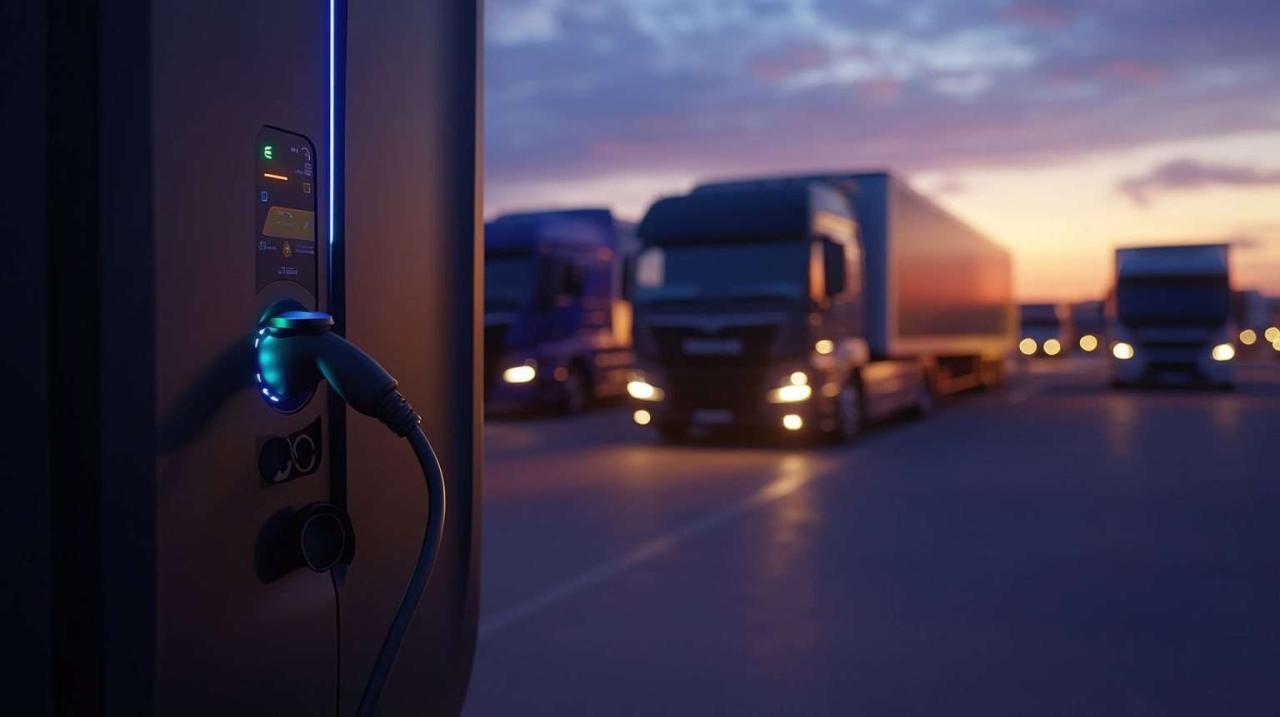
Electric trucks are increasingly becoming a focal point in the transportation industry as companies aim to reduce their carbon footprint and operating costs. The landscape of electric trucks is evolving rapidly, with advancements in technology driving the adoption of these vehicles.
Current State of Electric Trucks
Electric trucks are gaining traction worldwide, with major players like Tesla, Rivian, and Daimler entering the market. According to the International Energy Agency, the global stock of electric trucks is expected to reach 6.4 million by 2025, representing a significant increase from previous years.
Benefits of Transitioning to Electric Trucks
Transitioning to electric trucks offers numerous benefits, including reduced greenhouse gas emissions, lower maintenance costs, and improved energy efficiency. Electric trucks also provide a quieter and smoother driving experience, enhancing driver comfort and satisfaction.
Challenges of Transitioning to Electric Trucks
Despite the benefits, there are challenges associated with transitioning to electric trucks. These challenges include high upfront costs, limited charging infrastructure, and concerns about battery range and durability. Companies need to carefully assess these challenges and develop strategies to overcome them for a successful transition to electric trucks.
Cost Analysis of Transitioning to Electric Trucks
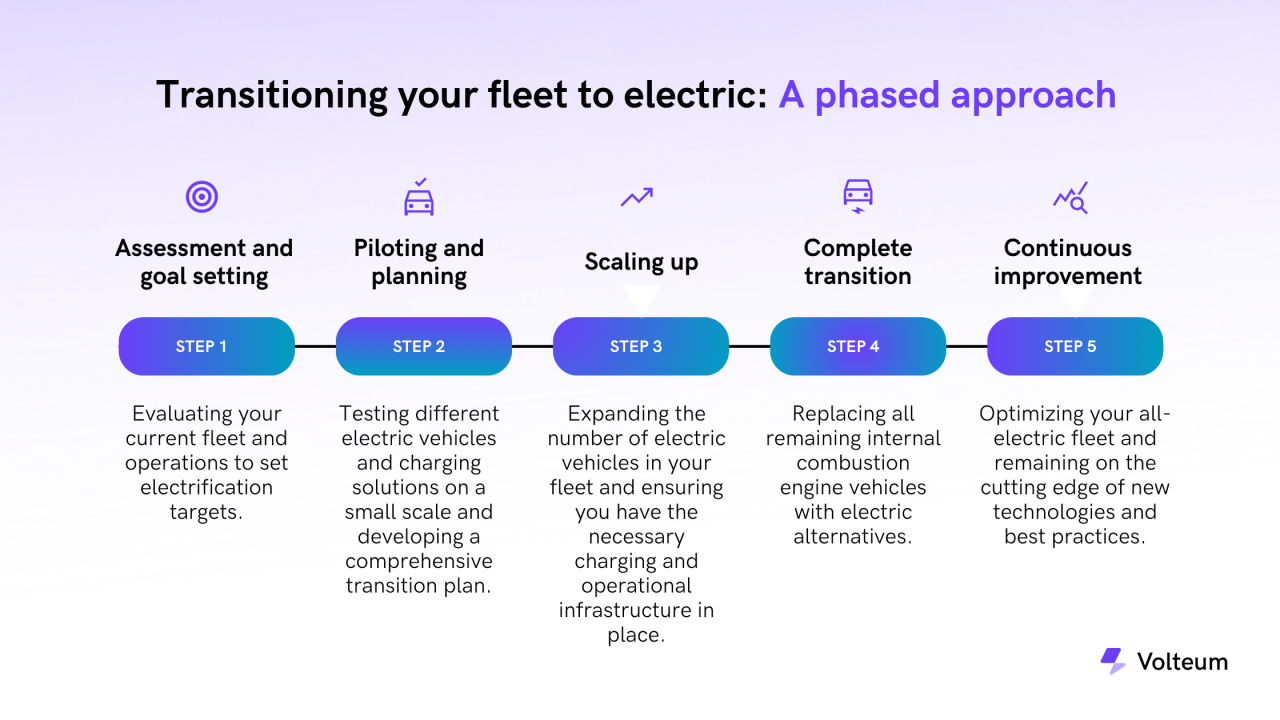
Electric trucks are becoming increasingly popular as a sustainable alternative to traditional diesel trucks. However, the transition to electric vehicles comes with its own set of costs and savings. Let's break down the cost analysis of transitioning to electric trucks.
Upfront Costs of Purchasing Electric Trucks
When it comes to purchasing electric trucks, the upfront costs are typically higher than traditional diesel trucks. Electric trucks are equipped with expensive battery technology, which contributes significantly to the initial purchase price. However, it's essential to consider the long-term benefits and savings that electric trucks can offer.
Operational Costs of Electric Trucks vs. Traditional Diesel Trucks
While the upfront costs of electric trucks may be higher, the operational costs are generally lower than traditional diesel trucks. Electric trucks have lower fuel costs since electricity is cheaper than diesel. Additionally, electric trucks require less maintenance due to fewer moving parts, leading to potential savings in maintenance costs over time.
Potential Savings in Fuel and Maintenance Costs
One of the significant advantages of transitioning to electric trucks is the potential savings in fuel and maintenance costs. Electric trucks are more energy-efficient than diesel trucks, leading to lower fuel expenses. Moreover, the simplified design of electric trucks results in reduced maintenance requirements, saving money on repairs and upkeep.
Government Incentives and Rebates
To encourage the adoption of electric vehicles, many governments offer incentives and rebates for transitioning to electric trucks. These incentives can help offset the initial higher costs of purchasing electric trucks and make the transition more financially feasible for fleet operators.
It's essential to explore the available incentives in your region to maximize cost savings when transitioning to electric trucks.
Environmental Impact of Electric Trucks
Electric trucks play a crucial role in reducing greenhouse gas emissions and promoting sustainability in fleet management. By transitioning to electric trucks, companies can significantly decrease their carbon footprint and contribute to a cleaner environment.
Reducing Greenhouse Gas Emissions
Electric trucks operate on electricity, which is often generated from renewable sources such as solar or wind power. This means that they produce zero tailpipe emissions, unlike traditional diesel trucks that emit harmful pollutants into the atmosphere. As a result, electric trucks help in reducing greenhouse gas emissions and combating climate change.
Environmental Benefits of Transitioning to Electric Trucks
According to studies, electric trucks can reduce carbon dioxide emissions by up to 60% compared to diesel trucks. This significant reduction in emissions not only helps in improving air quality but also mitigates the impact of transportation on global warming.
Transitioning to electric trucks can lead to a cleaner and healthier environment for communities and future generations.
Importance of Sustainability in Fleet Management
Sustainability has become a key focus in fleet management as companies seek to minimize their environmental impact and operate in a more eco-friendly manner. By incorporating electric trucks into their fleet, businesses can demonstrate their commitment to sustainability and responsible environmental stewardship.
Comparing Carbon Footprints
When comparing the carbon footprint of electric trucks with diesel trucks, the difference is significant. Electric trucks have lower greenhouse gas emissions throughout their lifecycle, from production to operation. This makes them a more environmentally friendly option for companies looking to reduce their carbon footprint and embrace sustainable practices in their fleet management.
Infrastructure Requirements for Electric Truck Fleets
Electric trucks require a robust charging infrastructure to support their operations. Setting up charging stations for electric trucks involves careful planning and investment to ensure a seamless transition from traditional fuel vehicles to electric ones.
Charging Infrastructure Needed
- High-power charging stations: Electric trucks require fast charging to minimize downtime. Installing high-power charging stations with fast charging capabilities is essential.
- Depot charging stations: Fleet operators should consider setting up depot charging stations where trucks can be charged overnight or during breaks to ensure they are ready for the next day's operations.
- Public charging network: Access to a reliable public charging network is crucial for electric truck fleets that operate on longer routes or require charging during the day.
Challenges of Setting Up Charging Stations
- Costs: The initial investment required to set up charging infrastructure can be significant, especially for high-power charging stations and depot installations.
- Grid capacity: Upgrading the grid to support the increased electricity demand from charging multiple electric trucks simultaneously can be a challenge in some areas.
- Zoning and permits: Obtaining zoning approvals and permits for setting up charging stations, especially in urban areas, can be a complex and time-consuming process.
Costs Associated with Installing Charging Infrastructure
- Equipment costs: The cost of purchasing and installing charging equipment, including charging stations, cables, and connectors.
- Installation costs: Costs associated with site preparation, electrical work, and any necessary upgrades to support the charging infrastructure.
- Maintenance costs: Ongoing maintenance and servicing of charging stations to ensure they operate efficiently and reliably.
Best Practices for Optimizing Charging Infrastructure
- Smart charging solutions: Implementing smart charging solutions that optimize charging schedules based on electricity rates and grid capacity can help reduce costs.
- Vehicle-to-grid technology: Exploring vehicle-to-grid technology that allows electric trucks to provide power back to the grid during peak demand periods can create additional revenue streams.
- Strategic placement: Placing charging stations strategically to minimize installation costs and maximize operational efficiency.
Quick FAQs
What are the key benefits of transitioning to electric trucks?
Transitioning to electric trucks can lead to significant cost savings in fuel and maintenance, reduce greenhouse gas emissions, and align with sustainable fleet management practices.
Are there government incentives available for transitioning to electric trucks?
Yes, there are various government incentives and rebates offered to encourage the adoption of electric vehicles, helping offset some of the initial costs.
What are the challenges associated with setting up charging infrastructure for electric truck fleets?
Setting up charging stations for electric trucks can pose challenges related to infrastructure costs, availability of suitable locations, and ensuring efficient charging operations for a large fleet.
How do electric trucks compare in terms of environmental impact with traditional diesel trucks?
Electric trucks have a significantly lower carbon footprint compared to diesel trucks, contributing to a reduction in greenhouse gas emissions and promoting a more environmentally friendly transportation sector.