Understanding Fleet of Trucks Insurance

Fleet insurance for trucks is a type of insurance coverage specifically designed for businesses or individuals that own multiple commercial vehicles. This type of insurance allows for all vehicles within the fleet to be covered under a single policy, simplifying the insurance process for multi-vehicle operations.
Types of Coverage in Fleet Insurance
- Liability Coverage: Provides protection in case the insured is responsible for causing injury or property damage to others.
- Collision Coverage: Covers the costs of repairing or replacing vehicles in the event of a collision.
- Comprehensive Coverage: Protects against non-collision related damages such as theft, vandalism, or natural disasters.
- Uninsured/Underinsured Motorist Coverage: Offers protection if the insured is involved in an accident with a driver who has insufficient insurance.
Importance of Fleet Insurance
Fleet insurance is crucial for multi-vehicle operations as it helps streamline the insurance process by consolidating coverage for all vehicles under one policy. This not only simplifies administrative tasks but also often results in cost savings compared to insuring each vehicle individually.
Additionally, fleet insurance provides peace of mind knowing that all vehicles are adequately protected in case of unforeseen events or accidents.
Factors Affecting Insurance Rates
When it comes to insuring a fleet of trucks, several key factors come into play that can influence insurance rates. Factors such as the age and condition of the vehicles, as well as the driving records of the drivers in the fleet, play a significant role in determining insurance premiums.
Age and Condition of Vehicles
The age and condition of the vehicles in a fleet can have a direct impact on insurance rates. Newer trucks that are well-maintained and in good condition are generally considered less risky to insure compared to older vehicles that may have more wear and tear.
Insurance companies often charge higher premiums for older trucks as they are more prone to mechanical issues and accidents.
- Well-maintained vehicles may qualify for lower insurance rates.
- Older trucks with high mileage may result in higher premiums.
- Upgrading to newer vehicles with advanced safety features can lead to potential discounts.
Driving Records of Drivers
The driving records of the drivers in a fleet also play a crucial role in determining insurance rates. Insurance companies assess the risk associated with each driver based on factors such as past accidents, traffic violations, and driving experience. Drivers with clean records are typically viewed as less risky, leading to lower insurance premiums.
- Drivers with a history of accidents or traffic violations may result in increased insurance costs.
- Regular driver training and safety programs can help improve driving records and potentially lower insurance rates.
- Insurance companies may offer discounts for fleets with drivers who maintain safe driving practices.
Tips for Finding the Best Rates
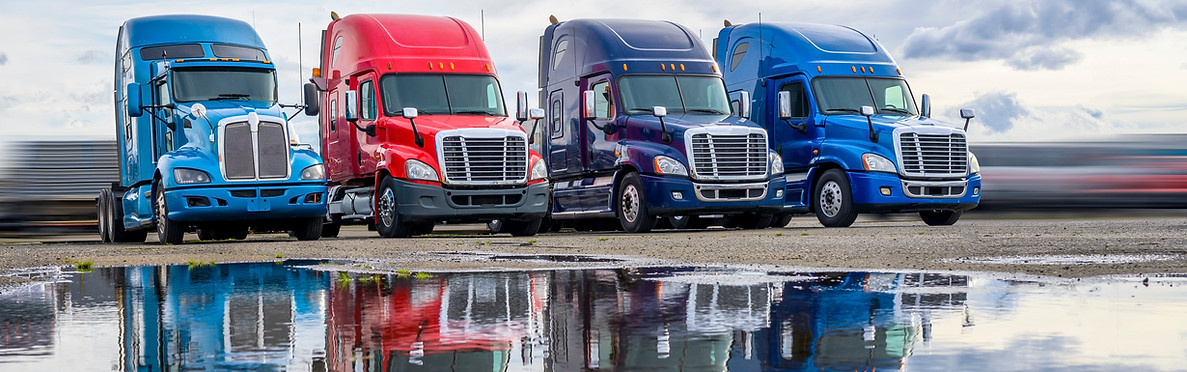
When it comes to securing the best rates for your fleet of trucks insurance, there are several strategies you can employ to ensure you get the most competitive prices available. By being proactive and diligent in your search, you can potentially save your company significant amounts of money while still maintaining comprehensive coverage for your vehicles.
Shopping Around for Fleet Insurance Rates
- Obtain quotes from multiple insurance providers to compare prices and coverage options.
- Consider working with an independent insurance agent who can help you navigate the complexities of fleet insurance.
- Look for insurers that specialize in commercial trucking insurance for tailored coverage.
Benefits of Bundling Policies for Multiple Vehicles
- Bundling multiple vehicles under one policy can often result in discounted rates.
- Consolidating your insurance policies can streamline the management process and potentially save time and money.
- Some insurers offer additional perks or benefits for insuring multiple vehicles with them.
Importance of Regular Policy Reviews for Cost Savings
- Regularly review your fleet insurance policy to ensure it still meets your coverage needs.
- Update your policy as your fleet grows or changes to avoid gaps in coverage.
- By staying informed about changes in the insurance market, you can capitalize on new opportunities for savings.
Working with Insurance Providers
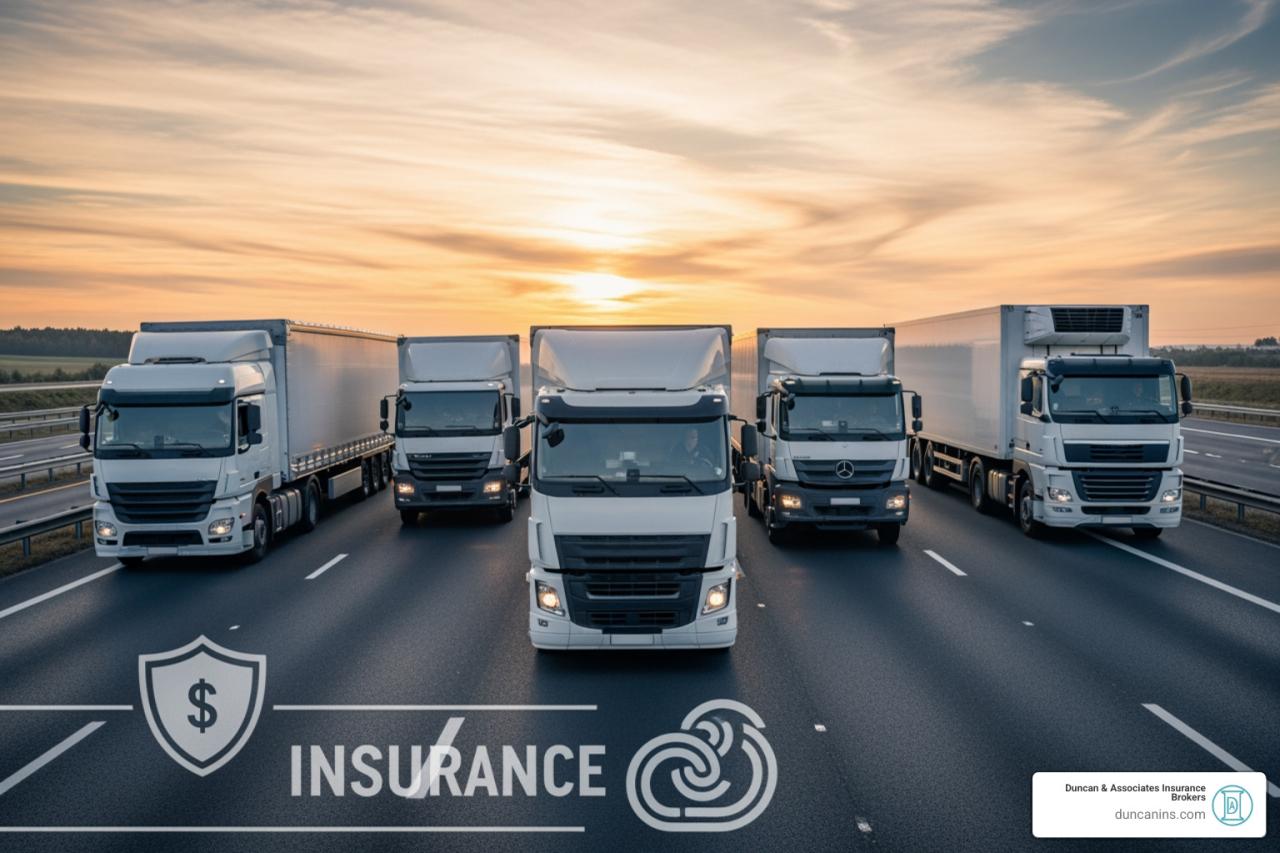
Negotiating rates with insurance providers for a fleet can be a crucial aspect of managing your fleet of trucks. Building a good relationship with insurance companies can help in getting the best rates and coverage for your vehicles. Here are some tips for working with insurance providers effectively:
Leveraging Fleet Size for Better Rates
- Highlight the size of your fleet: Insurance providers often offer discounts for larger fleets, as they consider them to be lower risk due to economies of scale.
- Consolidate policies: Having all your vehicles insured under one policy can help in negotiating better rates as insurance companies prefer dealing with comprehensive coverage.
- Commit to long-term partnerships: Showing loyalty to an insurance provider and renewing policies consistently can lead to better rates over time.
- Invest in safety measures: Implementing safety protocols and training programs for drivers can reduce the risk of accidents, leading to lower insurance premiums.
Common Queries
What factors impact fleet insurance rates?
Factors such as vehicle age, driver records, and fleet size significantly influence insurance rates.
How can bundling policies benefit multi-vehicle operations?
Bundling policies for multiple vehicles can lead to cost savings and streamlined insurance management.
Why is establishing a good relationship with insurance companies important?
A positive relationship with insurance providers can result in better rates and tailored coverage options.