Importance of Fleet Maintenance
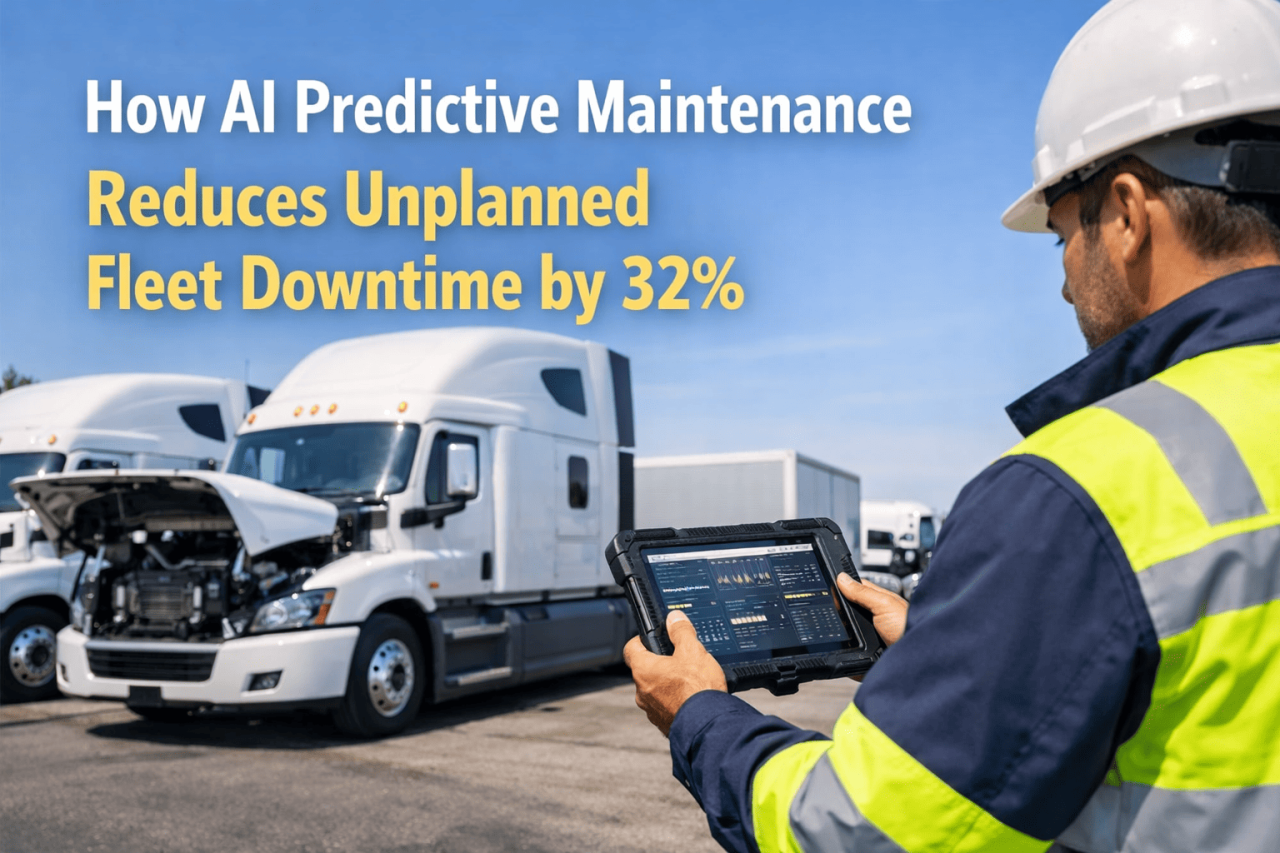
Regular maintenance is crucial for a fleet of trucks to ensure optimal performance and safety on the road. Preventive maintenance plays a vital role in saving costs in the long run by avoiding unexpected breakdowns and costly repairs.
Preventive Maintenance for Cost Savings
- Regular oil changes and filter replacements can prevent engine wear and improve fuel efficiency.
- Checking and maintaining tire pressure and tread depth can enhance traction and reduce the risk of blowouts.
- Scheduled inspections of brakes and suspension components can prevent accidents and costly repairs.
Common Maintenance Issues Leading to Downtime
- Ignored warning lights or unusual noises that indicate potential problems if left unaddressed.
- Failure to replace worn-out parts such as belts, hoses, or brake pads that can lead to system failures.
- Neglecting regular fluid checks and top-ups, causing overheating or lubrication issues.
Predictive AI in Fleet Management
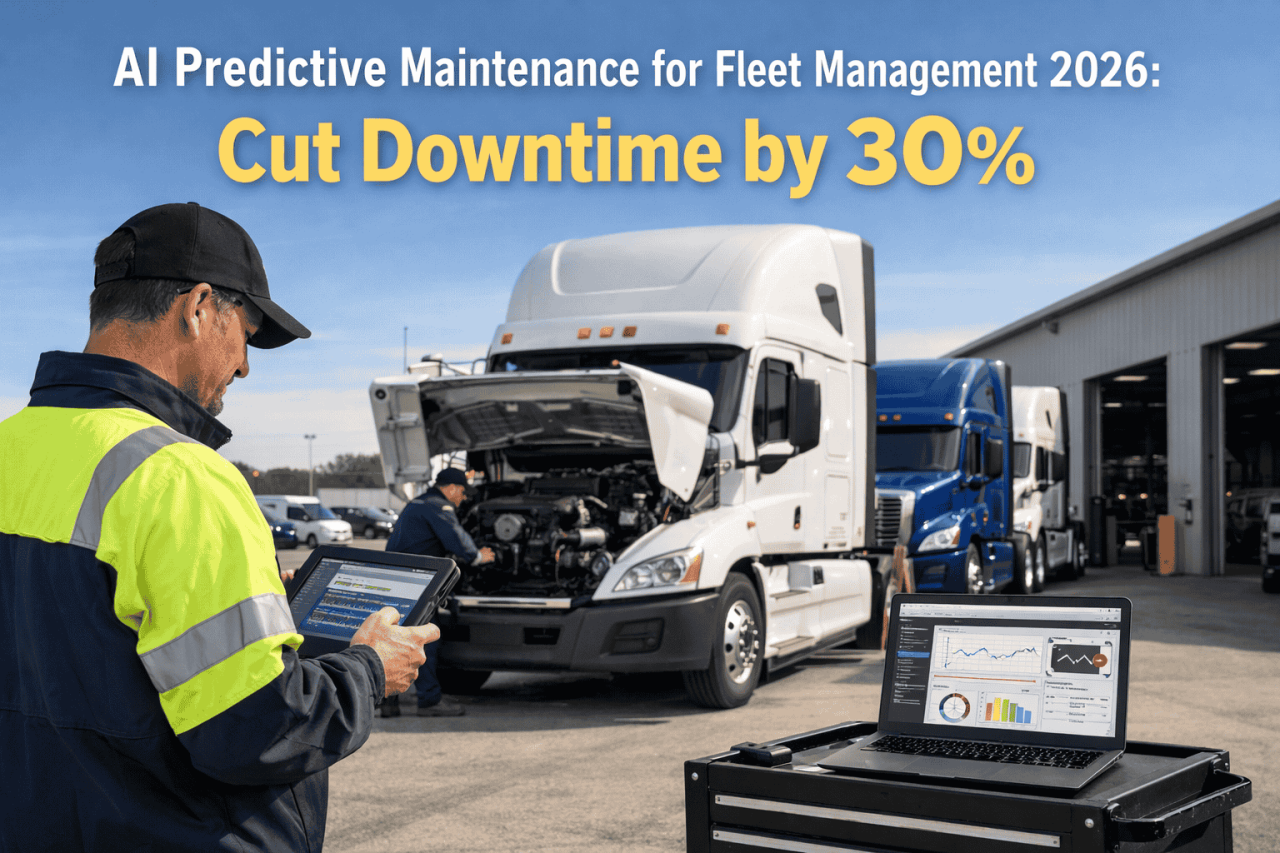
Predictive AI in fleet management involves using artificial intelligence technology to predict potential maintenance issues before they occur, allowing for proactive maintenance strategies to be implemented.
Benefits of Using Predictive AI for Proactive Maintenance
- Predictive AI can help fleet managers anticipate maintenance needs based on data analysis, reducing the risk of unexpected breakdowns and costly downtime.
- By identifying potential issues early on, predictive AI enables maintenance to be scheduled during non-peak hours, minimizing disruptions to operations.
- This technology can also optimize maintenance schedules by predicting the remaining useful life of vehicle components, allowing for timely replacements and preventing major failures.
Examples of Successful Predictive AI Implementation in Fleet Management
- One major transportation company used predictive AI to analyze vehicle data and predict engine failures. By proactively replacing faulty components, they reduced maintenance costs by 25% and decreased downtime by 20%.
- An urban delivery service utilized predictive AI to monitor tire wear and schedule replacements before excessive wear led to blowouts. This resulted in a 15% reduction in tire-related breakdowns and improved overall fleet efficiency.
Implementing Predictive AI

Implementing a predictive AI system for fleet maintenance involves several key steps to ensure its effectiveness in preventing costly downtime and optimizing vehicle performance.
Selection of Predictive AI Tools
When choosing a predictive AI tool for fleet management, it is essential to consider factors such as the accuracy of predictions, ease of integration with existing systems, scalability, and the ability to customize algorithms. Some popular predictive AI tools for fleet management include:
- Geotab Predictive Maintenance
- IBM Watson IoT
- Zubie Maintenance
Data Collection Process for Predictive AI Algorithms
For predictive AI algorithms to work effectively in fleet maintenance, a robust data collection process is crucial. This process involves gathering data from various sources, including:
- Vehicle telematics systems
- Historical maintenance records
- Driver behavior data
By analyzing this data, predictive AI algorithms can identify patterns and trends that help predict potential maintenance issues before they occur, allowing fleet managers to take proactive measures.
Preventing Costly Downtime
Predictive AI plays a crucial role in preventing costly downtime for fleet maintenance operations. By utilizing advanced algorithms and machine learning, predictive AI can help anticipate potential issues before they escalate, ultimately reducing unplanned downtime and minimizing associated costs.
Real-time Monitoring for Minimizing Maintenance-Related Downtime
Real-time monitoring is a key feature of predictive AI that enables fleet managers to track the health and performance of vehicles continuously. By collecting data on various parameters such as engine diagnostics, fuel efficiency, and tire wear in real-time, predictive AI can identify anomalies or early warning signs of potential failures.
This proactive approach allows maintenance teams to address issues promptly, preventing breakdowns and subsequent costly downtime.
Optimizing Maintenance Schedules with Predictive AI
Predictive AI can analyze historical maintenance data, vehicle utilization patterns, and environmental factors to optimize maintenance schedules. By predicting when specific components are likely to require maintenance based on usage and wear patterns, fleet managers can schedule preventive maintenance at optimal times, reducing the likelihood of unexpected breakdowns and minimizing downtime.
This proactive maintenance strategy not only enhances fleet reliability but also helps in controlling maintenance costs by avoiding emergency repairs.
Commonly Asked Questions
How can regular maintenance benefit a fleet of trucks?
Regular maintenance ensures that trucks are in optimal condition, reducing the likelihood of unexpected breakdowns and costly repairs.
What are the advantages of using predictive AI for fleet maintenance?
Predictive AI allows for proactive maintenance, predicting potential issues before they occur, saving time and money in the long run.
How does real-time monitoring help minimize maintenance-related downtime?
Real-time monitoring provides instant updates on the condition of trucks, allowing for immediate intervention to prevent breakdowns and downtime.
What role does data collection play in the effectiveness of predictive AI algorithms?
Accurate and comprehensive data collection is crucial for predictive AI algorithms to analyze patterns and predict maintenance needs accurately.