Overview of Autonomous Fleet of Trucks in Global Logistics Hubs
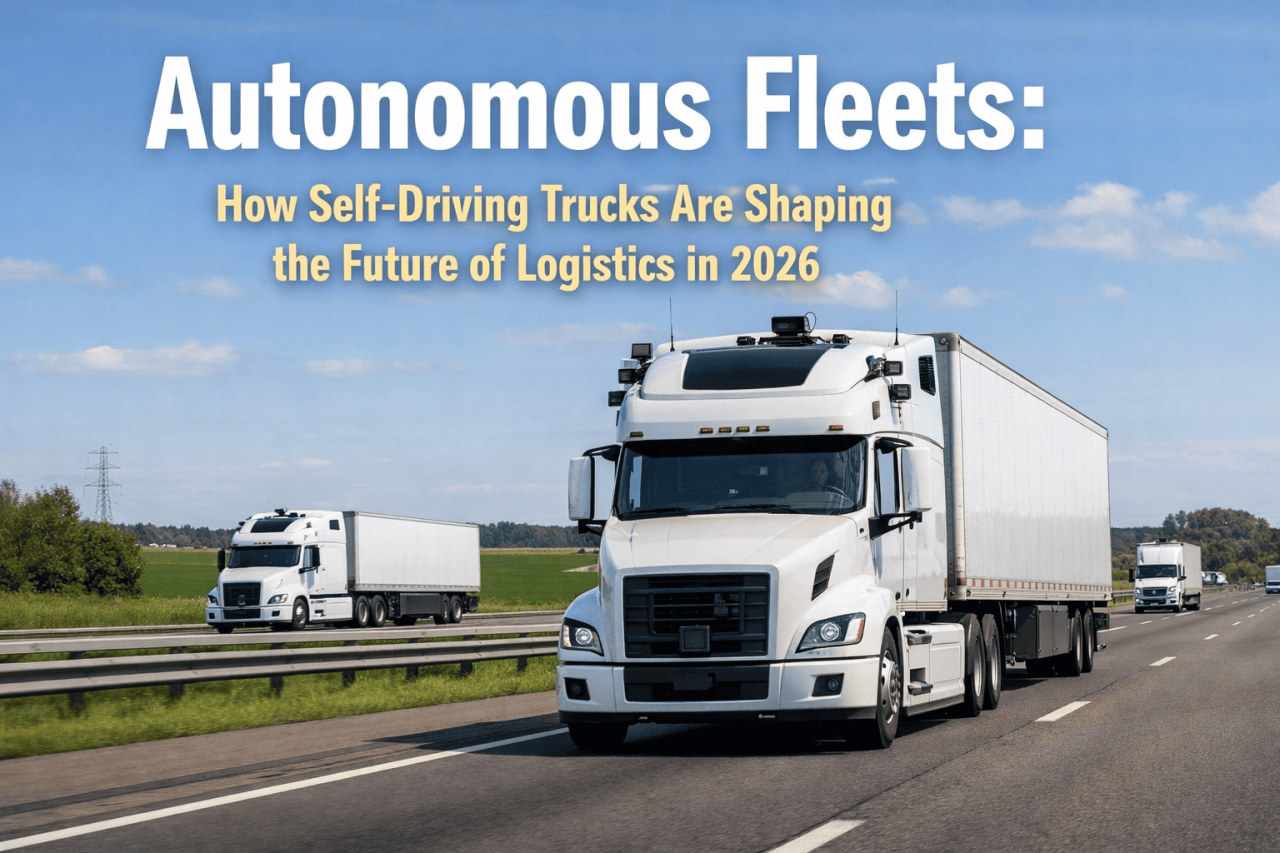
Autonomous trucks are revolutionizing the way goods are transported in global logistics hubs. These self-driving vehicles are equipped with advanced technology such as sensors, cameras, and artificial intelligence to navigate roads and deliver goods efficiently.
Current Implementations of Autonomous Fleet in Major Logistics Hubs
In major logistics hubs like the Port of Los Angeles, autonomous trucks are already in use to transport containers between terminals and distribution centers. Companies like TuSimple and Embark are leading the way in deploying autonomous trucks for last-mile deliveries and long-haul routes.
Benefits of Using Autonomous Trucks in Streamlining Logistics Operations
- Increased Efficiency: Autonomous trucks can operate 24/7 without the need for rest breaks, leading to faster delivery times.
- Cost Savings: By reducing the need for human drivers, companies can save on labor costs and optimize route planning.
- Improved Safety: With advanced safety features and real-time monitoring, autonomous trucks can help prevent accidents and reduce human error.
- Environmental Impact: Autonomous trucks can be programmed for optimal fuel efficiency, reducing carbon emissions and promoting sustainability in logistics operations.
Technology Driving Autonomous Fleet of Trucks
Autonomous fleet of trucks in global logistics hubs rely on a combination of advanced technologies to operate efficiently and safely. Key technologies powering these autonomous trucks include AI, sensors, and connectivity, which play crucial roles in enhancing fleet operations and integrating seamlessly with existing logistics systems.
Role of AI in Autonomous Fleet Operations
AI technology allows autonomous trucks to make real-time decisions based on data analysis and predictive algorithms. By using AI, these trucks can navigate complex routes, adapt to changing traffic conditions, and optimize their performance for maximum efficiency. AI also enables autonomous trucks to communicate with other vehicles and infrastructure, enhancing coordination and safety on the road.
Use of Sensors in Autonomous Trucks
Sensors play a vital role in enabling autonomous trucks to perceive their surroundings and make informed decisions. LiDAR, radar, cameras, and ultrasonic sensors are used to detect obstacles, pedestrians, and other vehicles, ensuring safe navigation and collision avoidance. These sensors provide real-time data to the AI system, allowing the trucks to react quickly to changing conditions and maintain a high level of safety.
Connectivity in Autonomous Truck Systems
Connectivity is essential for the seamless operation of autonomous trucks within logistics hubs. Through vehicle-to-vehicle (V2V) and vehicle-to-infrastructure (V2I) communication, autonomous trucks can share data with each other and with centralized control systems. This connectivity enables efficient routing, platooning, and coordination of multiple trucks, optimizing logistics operations and reducing congestion in hubs.
Challenges and Solutions in Implementing Autonomous Fleet of Trucks
Implementing autonomous fleet of trucks in global logistics hubs presents several challenges that need to be addressed for successful deployment. These challenges encompass regulatory hurdles, safety concerns, infrastructure requirements, and the impact of external factors like weather conditions.
Regulatory Challenges
One of the main challenges in implementing autonomous fleet of trucks is navigating the complex regulatory landscape. Regulations pertaining to autonomous vehicles vary across different regions and countries, making it difficult to establish consistent standards for operation.
- Collaboration with policymakers and regulatory bodies to develop standardized guidelines for autonomous truck operations.
- Advocating for harmonization of regulations to facilitate seamless deployment across borders.
- Conducting regular audits and compliance checks to ensure adherence to regulatory requirements.
Safety Concerns
Ensuring the safety of autonomous fleet operations is paramount to gaining public trust and regulatory approval. Safety concerns related to vehicle malfunctions, software errors, and interactions with other road users need to be effectively addressed.
- Implementing rigorous testing and validation procedures to identify and rectify potential safety vulnerabilities.
- Integrating advanced safety technologies such as collision avoidance systems and emergency braking mechanisms.
- Providing comprehensive training programs for drivers and operators to handle emergency situations effectively.
Infrastructure Requirements
The infrastructure needed to support autonomous fleet of trucks must be robust and technologically advanced to enable seamless operations. This includes infrastructure for vehicle charging, maintenance facilities, and communication networks.
- Investing in the development of smart infrastructure that can facilitate communication between autonomous vehicles and traffic management systems.
- Establishing dedicated lanes or zones for autonomous truck operations to optimize traffic flow and minimize congestion.
- Deploying charging stations and maintenance facilities strategically along major transportation routes to ensure uninterrupted operations.
Impact of External Factors
External factors such as weather conditions, road conditions, and unexpected events can significantly impact the operations of autonomous fleet of trucks. Adapting to these external factors requires real-time decision-making capabilities and robust contingency plans.
- Integrating weather forecasting systems to anticipate and prepare for adverse weather conditions that may affect vehicle performance.
- Implementing dynamic routing algorithms that can adjust routes based on real-time traffic conditions and road closures.
- Developing emergency response protocols to handle unforeseen events such as accidents or roadblocks effectively.
Environmental Impact and Sustainability

Autonomous fleet of trucks in global logistics hubs not only revolutionize the efficiency and speed of operations but also bring significant environmental benefits to the table. The use of autonomous trucks contributes to sustainable logistics practices by reducing carbon emissions and promoting eco-friendly transportation solutions.
Environmental Benefits of Autonomous Trucks
- Reduction in carbon footprint: Autonomous trucks are designed to optimize routes, reduce idle time, and enhance fuel efficiency, leading to lower carbon emissions compared to traditional trucking methods.
- Lower air pollution: By implementing autonomous trucks, logistics hubs can minimize air pollution in densely populated areas, resulting in cleaner and healthier environments for communities.
- Resource conservation: Autonomous trucks help in better resource utilization by optimizing delivery schedules, reducing wastage, and promoting a more sustainable use of resources in the logistics sector.
Comparison of Carbon Footprint
Autonomous fleet operations have shown a significant reduction in carbon footprint compared to traditional trucking methods. The precise route planning, real-time data analysis, and continuous monitoring capabilities of autonomous trucks enable them to operate more efficiently, resulting in lower greenhouse gas emissions per mile traveled.
Sustainable Logistics Practices with Autonomous Trucks
- Energy efficiency: Autonomous trucks are equipped with advanced technologies such as electric powertrains and regenerative braking systems, promoting energy-efficient transportation and reducing reliance on fossil fuels.
- Optimized operations: The use of autonomous trucks allows for better coordination, improved traffic flow, and reduced congestion on roadways, leading to a more sustainable and streamlined logistics network.
- Long-term benefits: By integrating autonomous trucks into global logistics hubs, businesses can achieve long-term sustainability goals, reduce their environmental impact, and contribute to a greener future for the transportation industry.
Future Trends and Innovations in Autonomous Fleet Technology

Autonomous fleet technology is poised for significant advancements in the next 5-10 years, transforming the landscape of logistics hubs worldwide. Innovations in this field are set to revolutionize the way goods are transported, leading to increased efficiency and reduced operational costs.
Evolution of Autonomous Fleet Technology
In the coming years, we can expect to see a shift towards fully autonomous trucks that operate without the need for human intervention. These trucks will be equipped with advanced sensors, artificial intelligence, and machine learning algorithms to navigate complex routes and traffic conditions.
The evolution of autonomous fleet technology will also involve the integration of 5G connectivity, allowing for real-time data exchange between vehicles and infrastructure.
Potential Innovations in Autonomous Trucking
One potential innovation that could revolutionize autonomous trucking is the development of platooning technology. This involves a group of trucks traveling closely together in a convoy, reducing wind resistance and improving fuel efficiency. Another innovation on the horizon is the use of blockchain technology to securely track and verify shipments, ensuring transparency and security throughout the supply chain.
Role of Data Analytics and Predictive Maintenance
Data analytics and predictive maintenance will play a crucial role in optimizing the performance of autonomous fleets. By analyzing large volumes of data collected from sensors and onboard systems, logistics companies can identify patterns and trends to improve route planning, fuel efficiency, and overall fleet management.
Predictive maintenance techniques will also help prevent breakdowns and reduce downtime, ensuring that autonomous trucks operate at peak performance levels.
Quick FAQs
How do autonomous trucks benefit global logistics hubs?
Autonomous trucks enhance efficiency, reduce operational costs, and improve safety in logistics hubs by streamlining operations and minimizing human errors.
What are the key technologies driving autonomous fleet operations?
The key technologies include AI for decision-making, sensors for environment detection, and connectivity for real-time data exchange, enabling seamless autonomous truck operations in logistics hubs.
What are the main challenges faced in implementing autonomous fleet of trucks?
Main challenges include regulatory hurdles, safety concerns, and infrastructure readiness. Solutions involve collaboration with authorities, advanced safety protocols, and infrastructure upgrades.
How do autonomous trucks contribute to sustainable logistics practices?
Autonomous trucks reduce carbon emissions, optimize fuel consumption, and promote eco-friendly logistics operations, leading to a more sustainable and environmentally conscious industry.